Plague Doctor Mask UK: History, Meaning and How to Choose an Authentic Venetian Design
October 14, 2026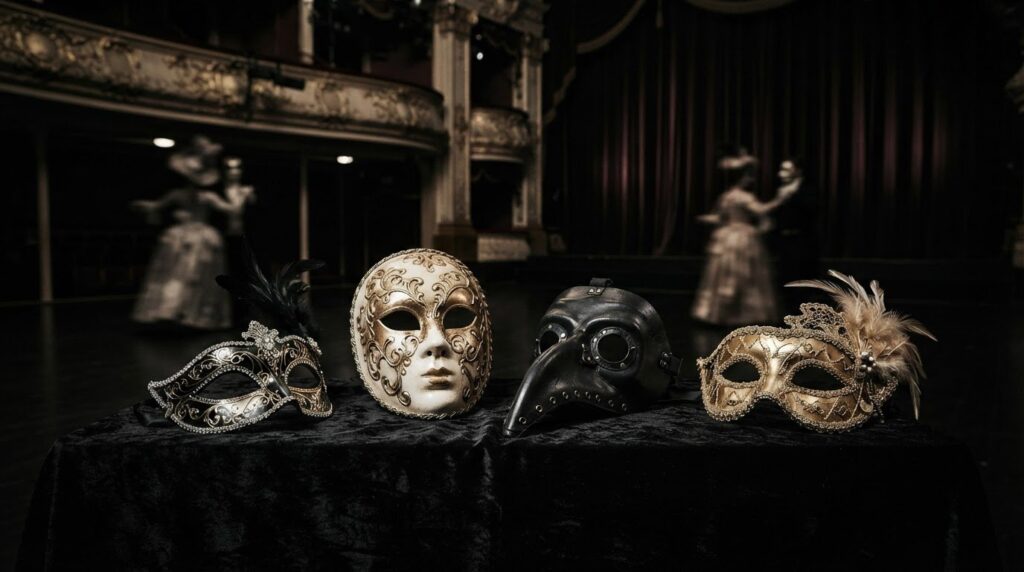
What if a mask could reveal as much as it conceals? The famous characters who wore masquerade masks range from the quick-witted Harlequin of Commedia dell’Arte to the Phantom of the Opera, whose covering speaks of isolation as well as mystery. It’s easy to group every masked figure together, but their disguises have different roots: some grew from Venetian theatre, while others were created for stories on stage and screen.
Discover how Colombina, the Plague Doctor, Zorro and V use masks to signal wit, status, secrecy or transformation, and what makes each look distinctive. Along the way, explore the history behind classic Venetian styles and get practical inspiration for choosing a mask for your own occasion. Just Posh Masks’ handcrafted designs are made by Venetian artisans. Hand-painted details may vary slightly from the images, but the colours will match. The 14 Day Home Approval lets you try a mask at home and return it if it does not fit. You can also return it for a refund within 30 days of delivery. One postage charge applies regardless of order quantity, all masks are shipped fully insured, and lost items receive a full refund.
Key Takeaways
- Learn why concealment, transformation and instant recognition make a masked character memorable, and how masquerade facewear differs from fictional disguises.
- Discover how Commedia dell’Arte’s recurring roles helped audiences recognise familiar characters through distinctive masks.
- See how famous characters who wore masquerade masks use them to signal secrecy, protection, identity or spectacle.
- Turn a character’s mood into a masquerade look by choosing your preferred coverage and coordinating it with your event attire.
- Compare Colombina eye masks and Volto full-face masks to decide how much coverage and drama you want for your ensemble.
What Makes a Masquerade-Mask Character Memorable?
A memorable mask does more than cover a face. It creates concealment, invites transformation and gives an audience a silhouette they can recognise in an instant. A distinctive outline can signal a character’s role before they speak, while the same covering lets the wearer step away from an everyday identity. That tension between hiding and revealing is part of the mask’s enduring appeal.
A masquerade mask is festive or formal facewear worn as part of social dress, often for a masked ball or celebration. The Masquerade Ball tradition gives the mask a social purpose: it becomes part of an occasion, an outfit and the pleasure of being briefly mysterious. A fictional character’s mask, by contrast, belongs to a story and might be worn for protection, secrecy or theatrical effect.
How does a mask become part of a character?
Shape and coverage help build a character’s public image. A small eye mask leaves much of the face visible, so expression can do some of the storytelling. A full-face covering can make a figure seem more remote, imposing or enigmatic. When the same silhouette returns each time a character appears, audiences learn to recognise it almost like a signature. Anonymity hides personal identity; self-expression gives the wearer a chosen presence.
This is why famous characters who wore masquerade masks can leave such a strong impression, even when their coverings serve different purposes. A mask may make a familiar figure instantly recognisable or create a striking contrast between the person beneath it and the role they perform. The design isn’t just decoration; it helps tell us how the character wants to be seen.
Masquerade masks versus fictional disguises
Not every superhero’s cowl, vigilante’s face covering or actor’s stage disguise is a masquerade mask. Those pieces are usually designed for a character’s practical or narrative needs, such as concealing identity or completing a role. Masquerade masks belong to festive or social dress, where the wearer chooses a look for an occasion and can enjoy becoming someone slightly different for an evening.
The traditions can inspire one another, but they aren’t interchangeable. Some familiar figures draw on Venetian theatrical archetypes, with recurring designs that audiences learn to read. Others come from film, comics or literature and use masks for different reasons. This article explores both, while keeping the distinction clear: a character mask serves a story; a masquerade mask dresses a person for an occasion.
Which Venetian Theatre Characters Wore Distinctive Masks?
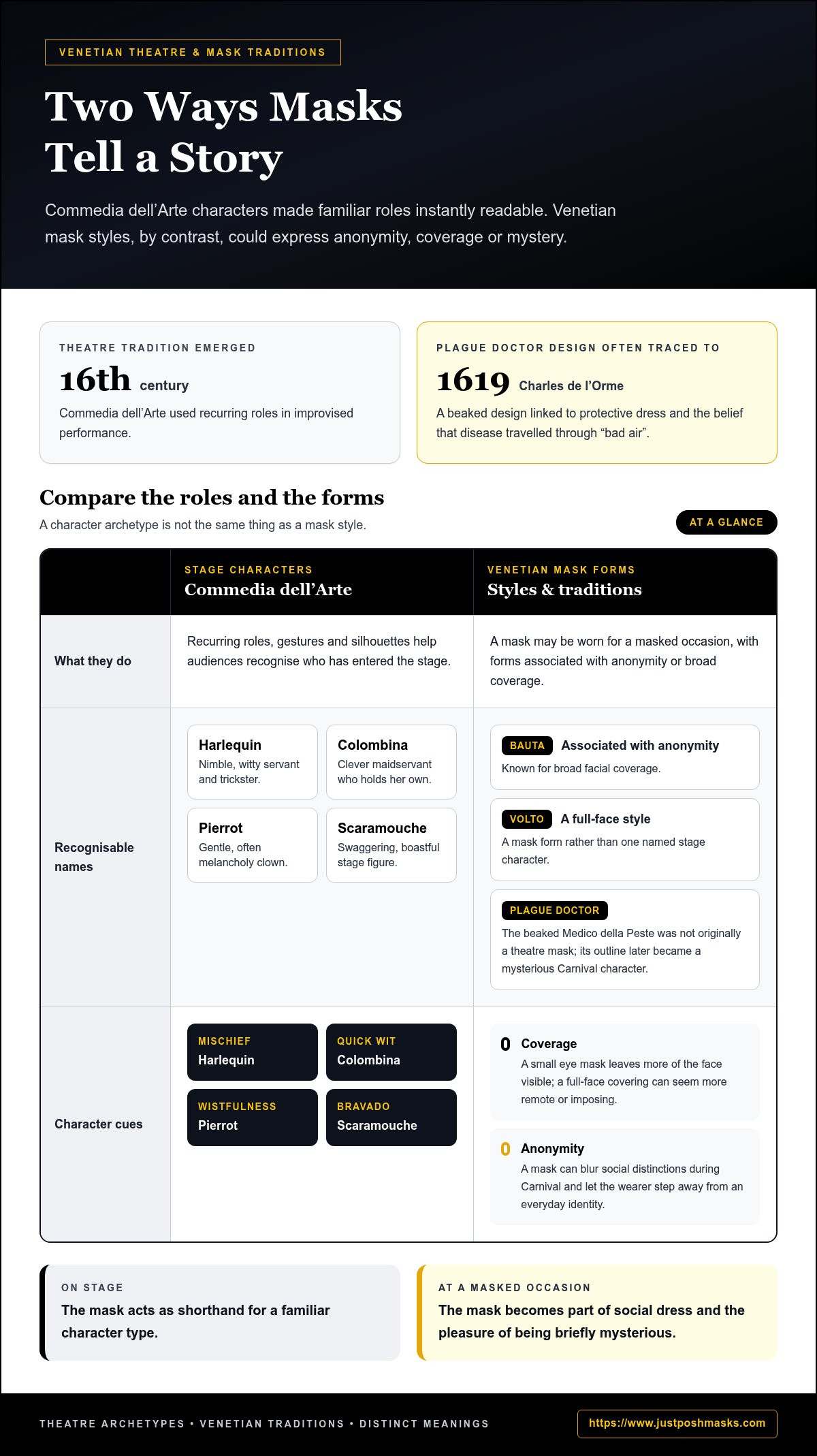
Many theatrical masks grew from Commedia dell’Arte, an Italian tradition of improvised performance that emerged in the sixteenth century. Its professional actors built scenes around recurring character types rather than relying on a wholly fixed script. Familiar roles, gestures and silhouettes helped audiences recognise who had entered the stage, even as performers improvised fresh comic complications.
The masks were part of a wider culture of disguise, where face coverings could blur social distinctions during Carnival. The History of Venetian Masks explores how masks helped shape that tradition. On stage, a mask also worked as character shorthand: Commedia dell’Arte made a mask a visual cue for an archetype, helping audiences recognise the role before the comedy unfolded.
Harlequin, Columbina, and the servants of Commedia dell’Arte
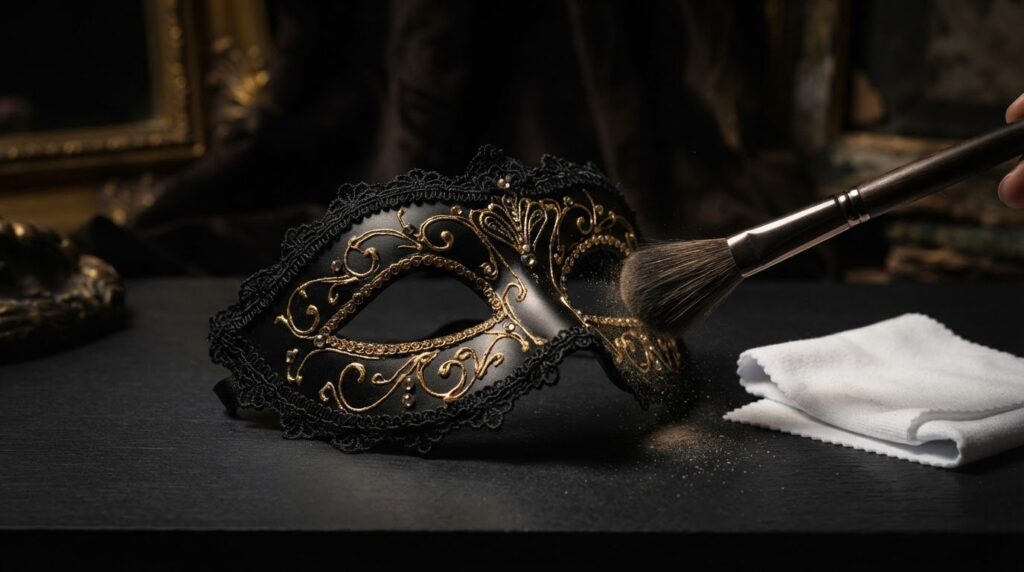
Harlequin, or Arlecchino, is a nimble, witty servant and trickster, forever disrupting his master’s plans while pursuing his own interests, including his love for Colombina. His comic energy makes him a natural foil to the clever Columbina, an intelligent maidservant who can hold her own amid the household’s schemes. Her role is recognisable, but it doesn’t require one fixed mask design.
Pierrot is commonly presented as a gentle, often melancholy clown, while Scaramouche is known as a swaggering, boastful stage figure. Each brings a different flavour to the theatrical ensemble: Harlequin’s mischief, Colombina’s quick intelligence, Pierrot’s wistfulness and Scaramouche’s self-important bravado. These distinct character types made the comic interplay easier for audiences to follow.
Bauta, Volto, and other Venetian mask traditions
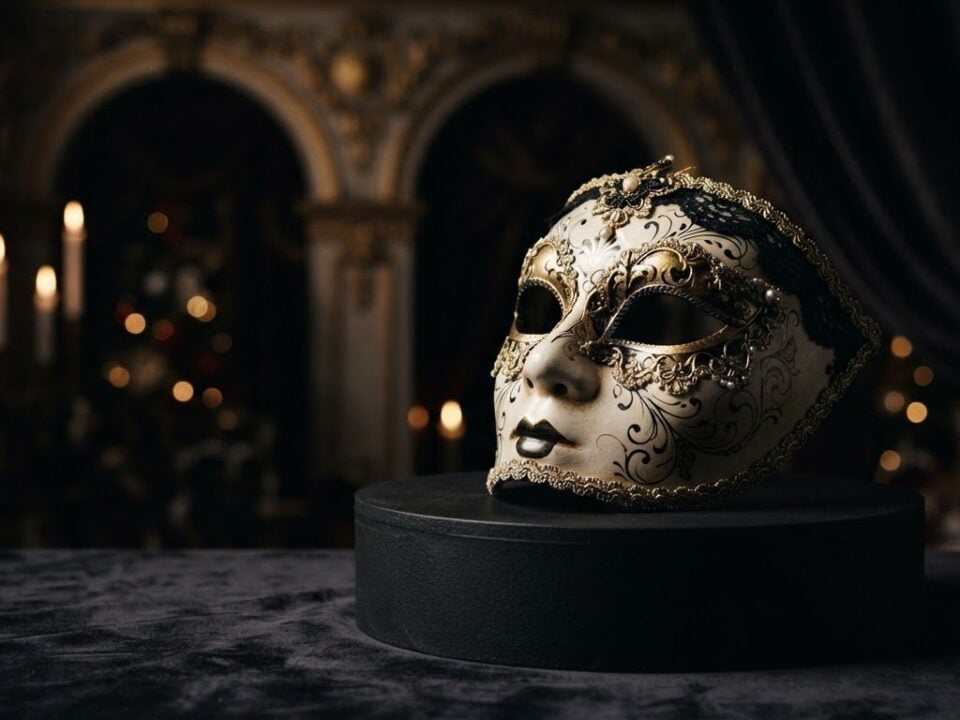
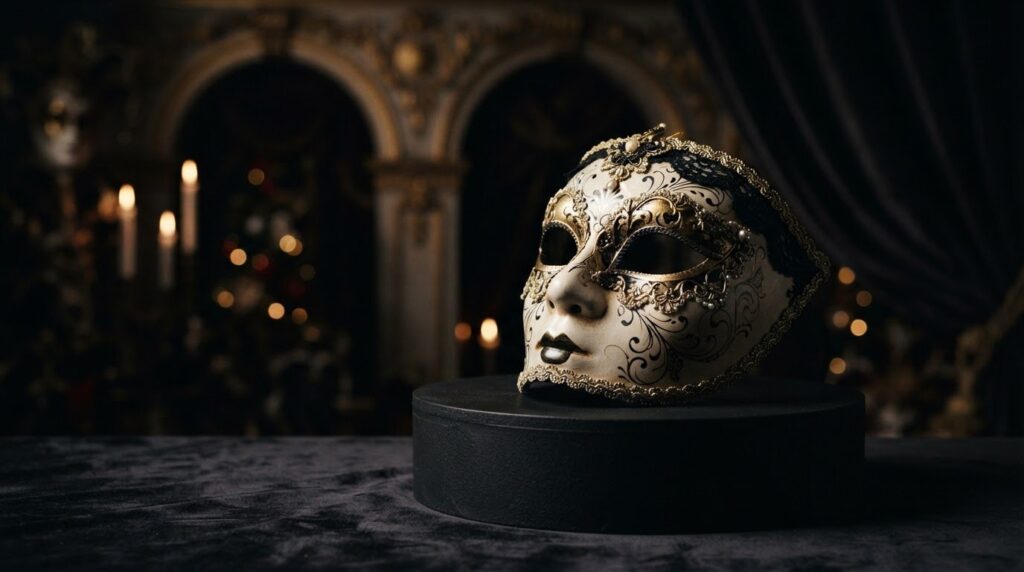
Not every Venetian mask belongs to a specific stage character. The Bauta is associated with anonymity and broad facial coverage, while Volto describes a full-face mask style. These forms connect more directly to dressing for a masked occasion than to playing one named role. For a modern take on these expressive traditions, explore Venetian masquerade masks.
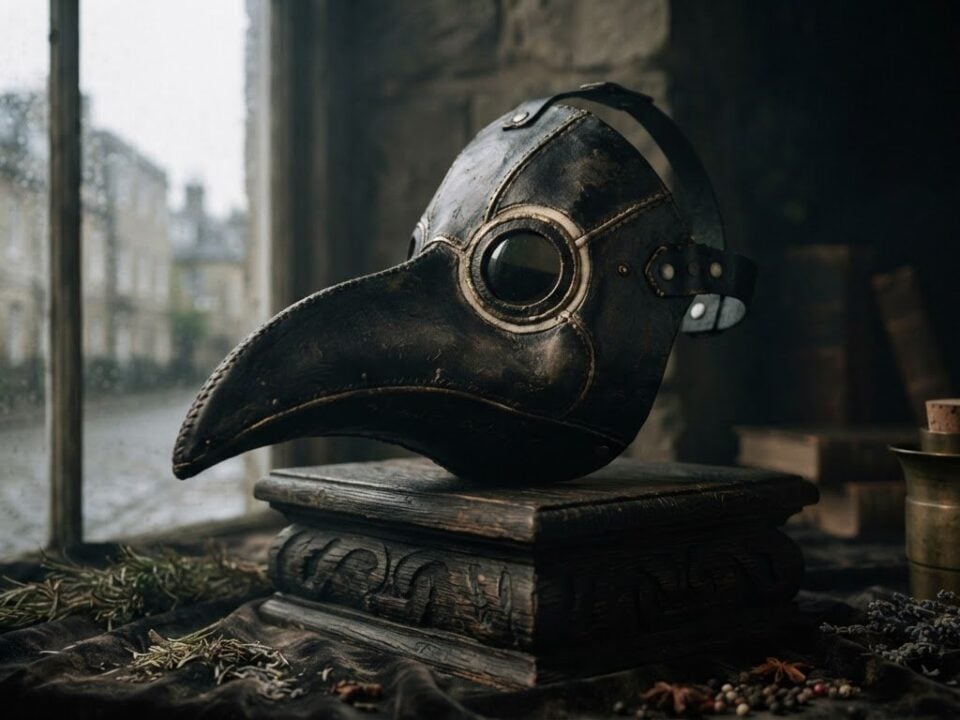
The Plague Doctor offers a striking example of how a mask’s meaning can shift. The beaked Medico della Peste design is often traced to French physician Charles de l’Orme in 1619, as protective dress shaped by the belief that disease travelled through “bad air”. It wasn’t originally a theatre mask, but its unsettling outline later became a mysterious Carnival character. Its history shows how mask inspiration can draw on theatre, social custom and darker stories alike.
Which Famous Film and Story Characters Are Known for Masks?
On screen and page, a mask can be a practical disguise, a protective covering or a visual signature that makes a character unforgettable. Zorro, Darth Vader, Iron Man and the Phantom of the Opera are often grouped among famous characters who wore masquerade masks, but their coverings weren’t created for masquerade. They belong to their own fictional worlds, where each design carries a different meaning.
What do familiar masked heroes and villains communicate?
Zorro’s simple black mask conceals the identity of Don Diego de la Vega, allowing him to defend ordinary people while keeping his public life separate from his heroic one. Darth Vader’s helmet works differently: its imposing, unmistakable silhouette signals authority and menace, making recognition part of its power. Iron Man’s face covering belongs to a larger suit, so it reads as part of a fictional armoured identity rather than formal or festive facewear.
- Zorro: Conceals a secret identity; a story-specific disguise, not a Venetian masquerade mask.
- Darth Vader: Creates an instantly recognisable, formidable presence; an iconic fictional helmet.
- Iron Man: Forms part of a broader fictional suit; designed for the character’s world, not a masked ball.
- The Phantom of the Opera: Conceals part of the face and heightens mystery; a theatrical character image, not a Venetian archetype.
The contrast is useful when choosing inspiration for an event. A character’s look might suggest mystery, drama or bold recognition, but a Venetian masquerade mask is worn as social costume, not as a superhero’s equipment or secret identity. Borrow the mood rather than treating every famous disguise as part of the same tradition.
Why is the Phantom of the Opera’s mask so recognisable?
The Phantom’s half-face covering is a powerful theatrical image because it reveals and conceals at once. It hides part of his facial disfigurement while leaving enough visible to create a striking contrast, drawing attention to the boundary between the figure the audience sees and the isolated man beneath. That tension gives the mask its intrigue without making it a traditional Venetian character mask.
For a masquerade look inspired by stage and screen drama, translate the character’s mood into a style suited to the occasion. A Venetian masquerade mask can add a distinctive finishing touch without copying a fictional disguise. Choose the level of mystery you want to bring to your ensemble.
How Can Famous Masked Characters Inspire a Venetian Masquerade Look?
Take inspiration from a character’s mood, not a literal costume. A hint of mystery, a flash of playful mischief or a more dramatic presence can guide your choice while keeping the result elegant and wearable. Famous characters who wore masquerade masks may come from theatre, film or fiction, but their silhouettes and colours can spark ideas for a look that feels distinctly your own.
Turn a character’s mood into a mask style
Try this simple approach:
- Choose the mood. Think mysterious, romantic, mischievous or commanding, rather than aiming to copy a character from head to toe.
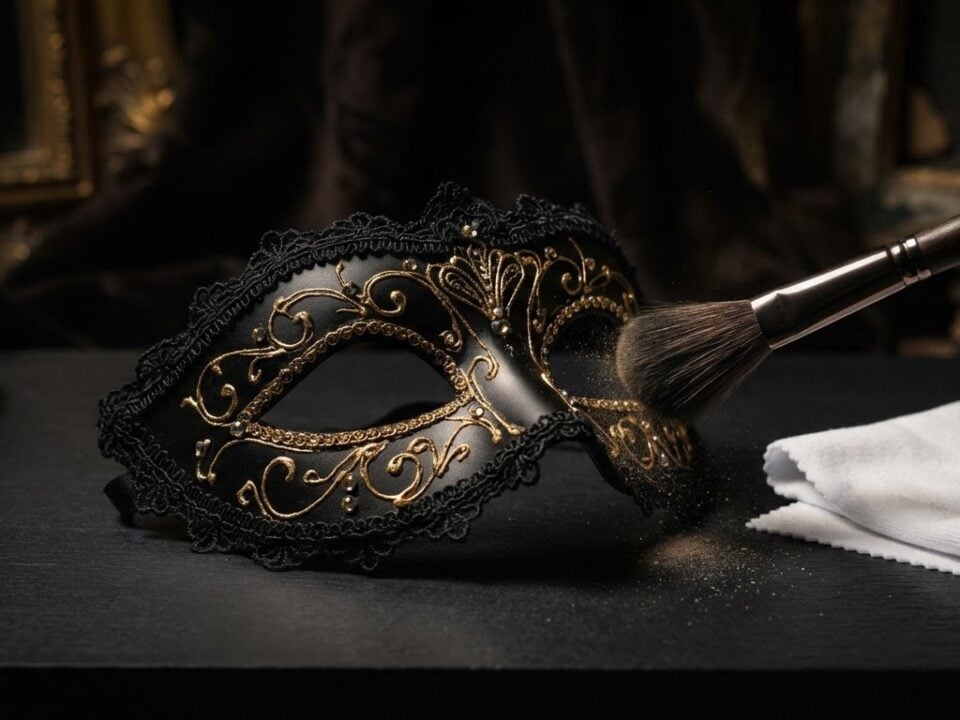
- Select the coverage. Colombina eye masks keep the focus around the eyes and leave more of your expression visible. For a more dramatic, fuller-coverage effect, consider a Volto full-face style.
- Coordinate your attire. Let colour and silhouette complement your outfit, whether it’s evening wear or festive occasion dressing. A Bauta can bring a distinctive traditional reference, while a jester mask suggests theatrical playfulness. Neither needs to imitate a screen character.
The result can nod to a familiar character without turning your ensemble into fancy dress. A refined silhouette, carefully chosen colour and one expressive detail can make a more personal impression than a complete replica.
Choose with confidence from artisan-made Venetian masks
Just Posh Masks specialises in authentic Venetian masks handcrafted by local artisans using traditional and modern techniques. The 14 Day Home Approval lets you try a mask at home and return it if it does not fit. Returns for a refund are accepted within 30 days of delivery. Masks are shipped fully insured, lost items receive a full refund, and one postage charge applies regardless of how many masks you order.
Colours will match the product images, though hand-painted details may vary slightly, giving each piece its own artisan character. Before choosing, consider the coverage you want and how the mask will sit with your outfit. If you wear glasses, explore the masks for glasses category. For a hands-free look, check whether your chosen design offers the “Do you want a stick attached?” option; otherwise, loose sticks are sold separately for DIY attachment. Explore Venetian mask styles and find a look that brings your inspiration to life.
Choose a Mask That Makes the Moment Yours
Let the character who caught your imagination become a starting point, not a script to follow. A carefully chosen mask can bring theatrical mystery to an evening while still feeling entirely your own. Think about the mood you want to carry into the room, then choose a silhouette and finish that work with your attire.
Handcrafted by Venetian artisans using traditional and modern techniques, each mask brings artistry to that personal choice. The 14 Day Home Approval gives you time to try a mask at home and return it if it does not fit. Returns for a refund are accepted within 30 days of delivery. Orders are shipped fully insured, lost items receive a full refund, and one postage charge applies regardless of the number of masks ordered.
Ready to find the finishing touch for your next occasion? Explore authentic Venetian masquerade masks and choose a style inspired by famous characters who wore masquerade masks, yet unmistakably your own.
Frequently Asked Questions
Were Commedia dell’Arte characters real people?
No. Their names refer to stage roles, not identifiable historical individuals. When exploring the tradition, separate the actor from the part: an actor had a real life and career, while a character name signalled a familiar comic role. This distinction matters when comparing theatrical figures with named characters in novels or films, who are usually written as individuals with their own personal histories.
Did people wear Venetian masks outside Carnival?
Some Venetian mask styles were used in social settings beyond Carnival, but customs varied by mask and occasion. A historical reference to “a mask” alone doesn’t establish which design was worn or why. The history of Venetian masks can help place the tradition in context; avoid assuming every style had the same use.
Is the Phantom of the Opera’s mask a Venetian masquerade mask?
No. It belongs to the costume of a fictional character, rather than identifying a traditional Venetian style. If you’re discussing or recreating a specific Phantom, name the stage or screen adaptation: costume designers can interpret the character differently, so one version’s mask shouldn’t be treated as a universal historical design. This keeps theatrical costume distinct from Venetian mask-making traditions.
Why do so many famous characters hide their faces?
Concealing a face gives storytellers another way to shape a scene. It can draw attention to a character’s voice, movement or clothing, and lets the audience read the covering as part of the character’s visual language. The reason varies from story to story, so consider what the mask makes the audience notice rather than assuming every masked figure is hiding the same kind of secret.
Are Harlequin and the Joker the same character?
No. Harlequin belongs to Italian theatre tradition, while the Joker is a separate modern fictional character. To distinguish them, look beyond a comic or jester-like appearance and consider which work or performance each figure comes from. Similar styling can invite comparison, but it doesn’t establish shared identity, origin or a direct connection between the characters.
Can I choose a Venetian mask inspired by a film character?
Yes. Borrow an element of a character’s look, such as its level of drama or a colour association, and interpret it through a Venetian style rather than copying a screen costume. Colombina eye masks and Volto full-face masks offer different coverage choices. The aim is a look that suits your event and leaves room for your own sense of style.
Disclaimer
This article was created with the assistance of AI and carefully reviewed by the team at Just Posh Masks to ensure accuracy and relevance. We combine automated insights with our experience in premium face coverings and accessories to provide helpful, trustworthy guidance.